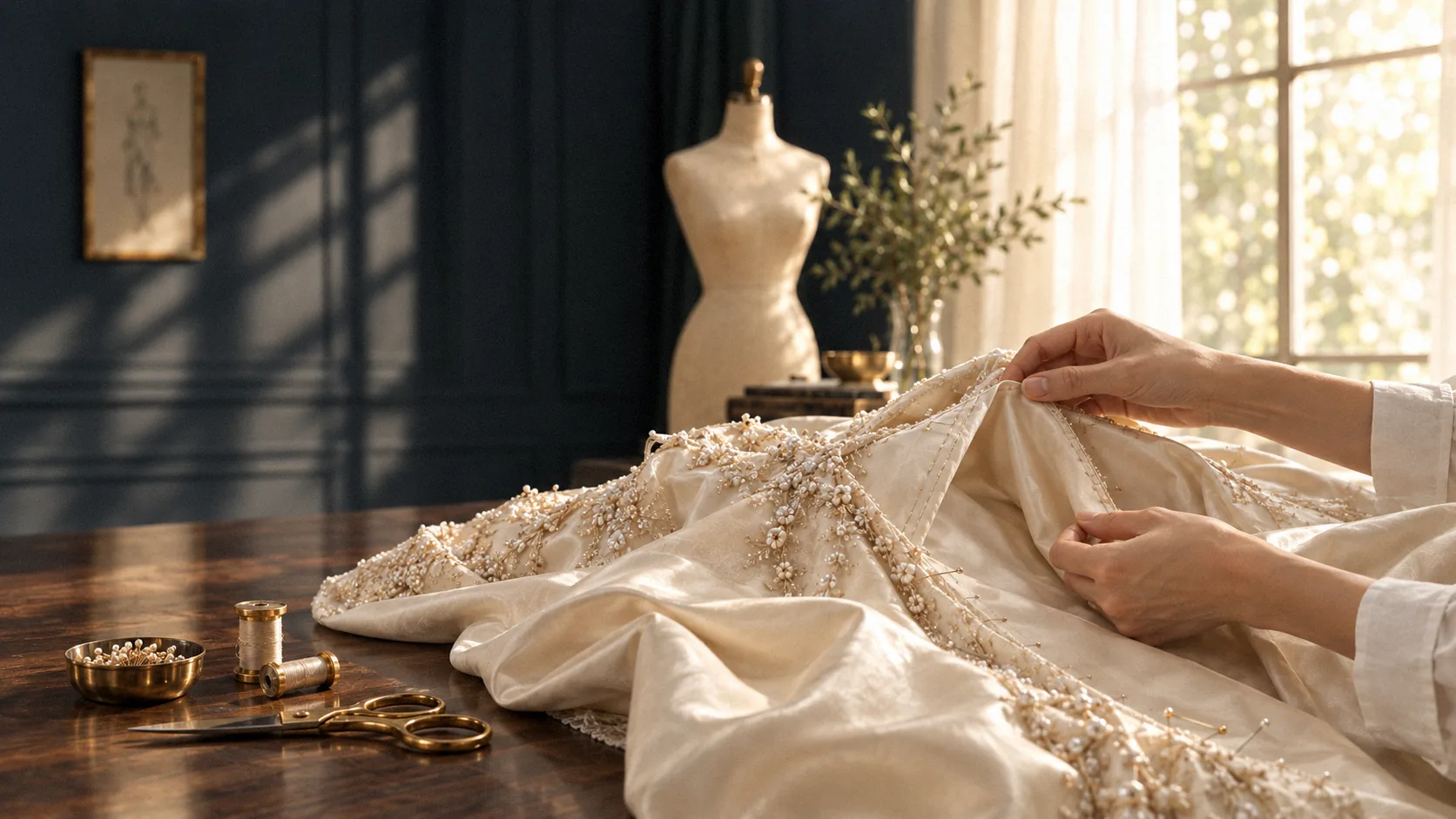
A garment deserves to be read first.
Before deciding to repair, alter or let go, read the cloth, the seams, the lining and what the piece means to you. The 301 Encyclopaedia is where we write down more than twenty years of studio judgement: one entry point, opened branch by branch.
1
Entry point
3
Branches open
18
Core guides
72
Knowledge cards
Two pages on how we decide and how we assess
One opening guide from each branch
Each guide is written in Cecilia Yau's first person and records the order in which the studio actually makes its judgements. Read these three first, then move into the 18 guides and 72 knowledge cards across the branches.
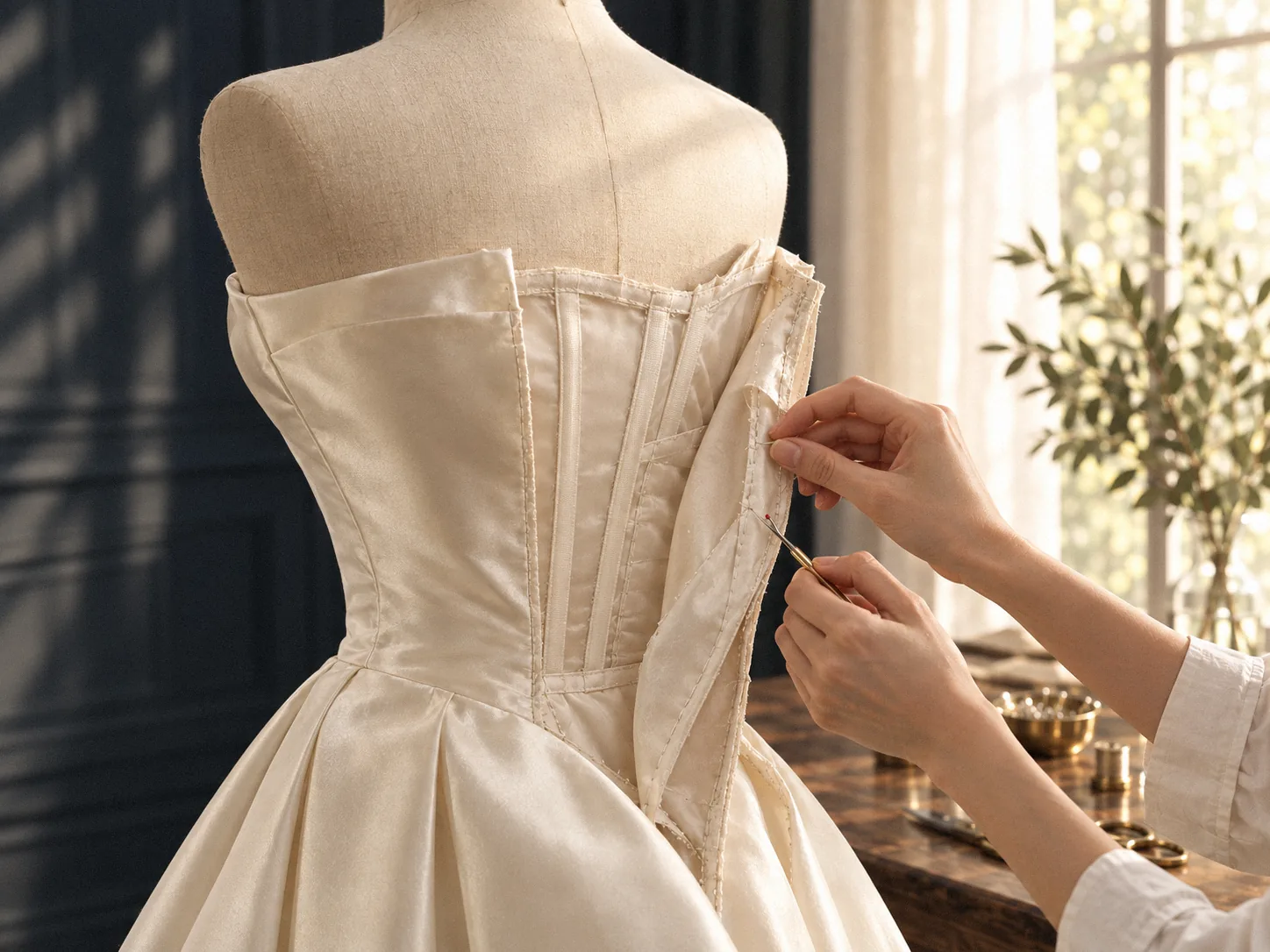
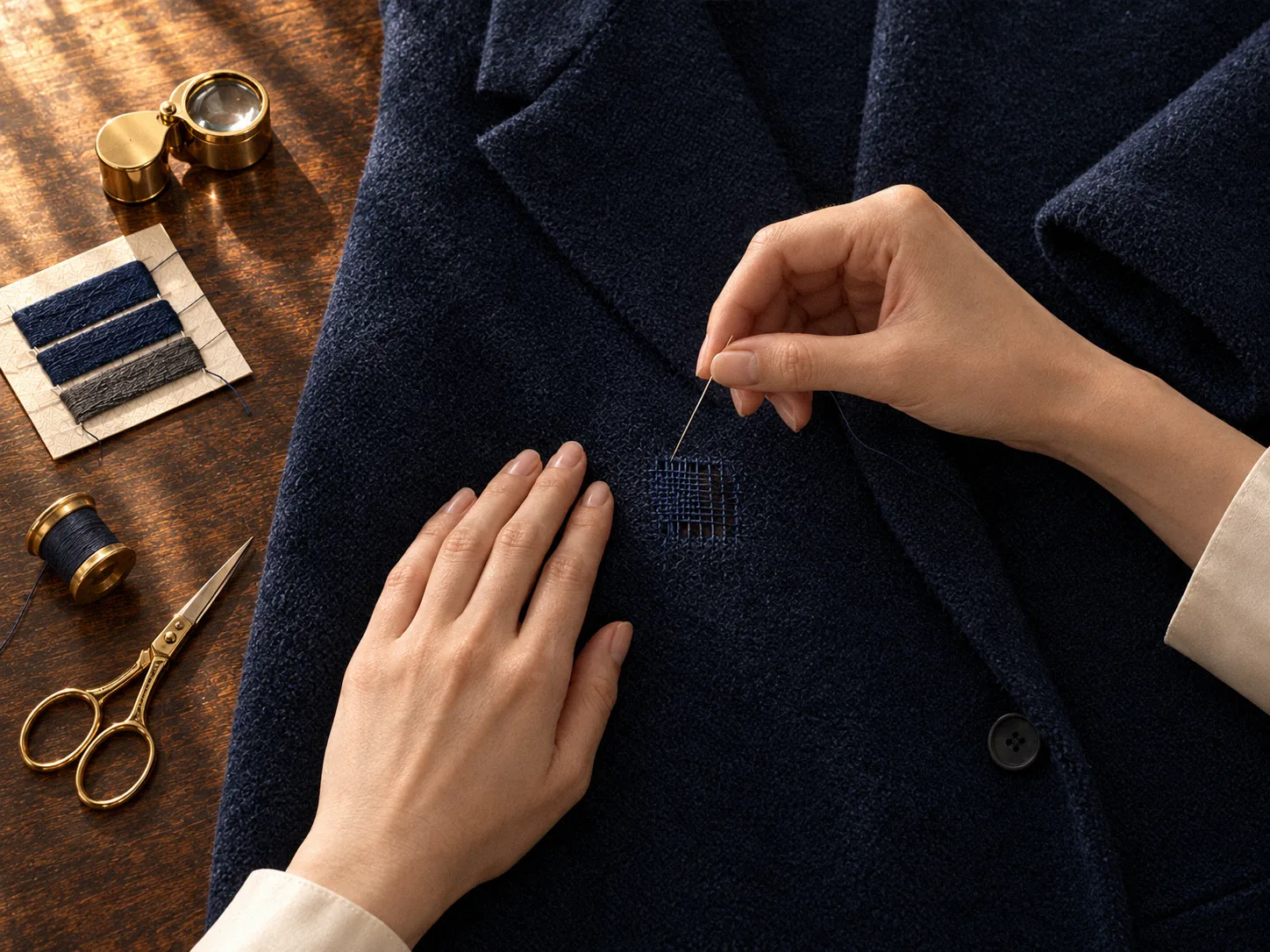
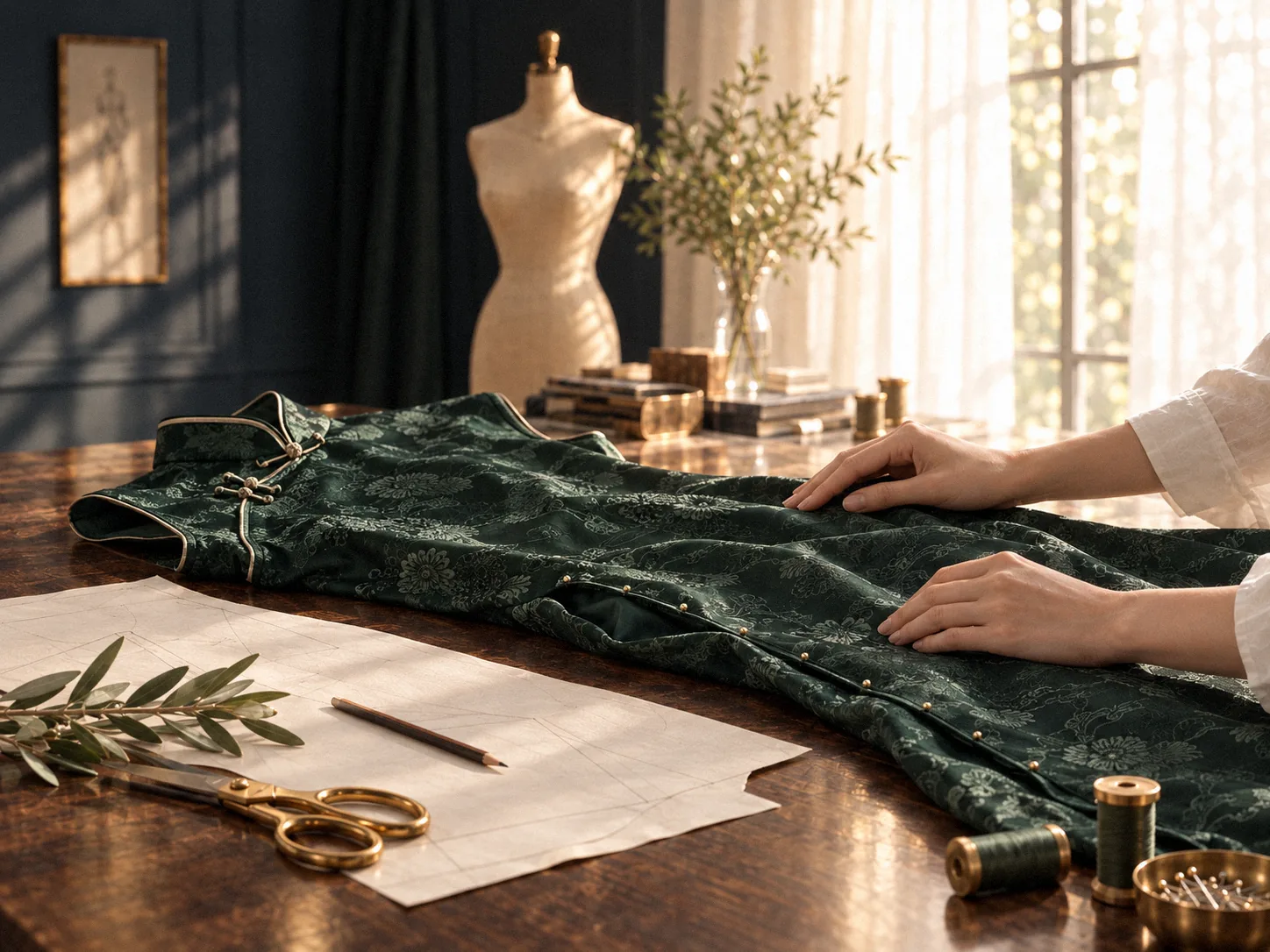
Three branches, every guide and every card
Each branch holds six core guides and twenty-four knowledge cards. The guides set out the full line of judgement; the cards answer, briefly, the questions clients ask most often.
Evening Gowns, Bridal & Formalwear
What makes a gown compelling is how effortless it looks under the lights. This branch is about the structure no one sees but everything depends on: shoulder line, bodice, lining, boning, beadwork and hem.
- 01Five Structural Secrets of Evening Gown Alteration
- 02When Should Bridal Alterations Begin? A Timeline Counted Backwards
- 03Can a Beaded Gown Be Altered? First See Which Layer the Beads Are Sewn To
- 04An Alteration Timeline for Important Dates: Why the Final Week Should Be Needle-Free
- 05Staged Fittings for a Wedding Gown: First, Half-Finished, Final, and What Each One Is For
- 06When Sequins and Embroidery Are Lost: How to Rebuild Without It Becoming a Patch
Luxury Repair & Material Care
Damage is never just a spot; it is a chapter in the garment's history. This branch is about reading what has been hurt before deciding what to restore and what to keep.
- 01Luxury Repair Is Not About Hiding the Damage
- 02A Broken Zip: Replace the Slider, the Whole Zip, or Rebuild the Front?
- 03Moth Holes in Wool: Reweave, Patch, or Accept That It Has Changed?
- 04The Colour Matches, So Why Does the Patch Still Look Wrong? On Matching Texture
- 05Patching Fine Fabric: Where to Place It, What to Use, How to Keep It Quiet
- 06Repairing Waterproof and Coated Fabrics: First Know Which Kind Your Jacket Is
Qipao, Heirloom Garments & Cultural Details
Some garments are not garments first. They are a photograph, a person, a memory that cannot quite be told in full. This branch is about letting such a piece be worn again, after its memory has been respected.
- 01A Mother's Qipao, a Daughter's New Dress
- 02The Complete Qipao Alteration Guide: Read Its Five Load Points Before the First Stitch
- 03Keeping the Beadwork on a Qipao: First Ask Whether the Cloth Beneath Can Still Carry It
- 04Assessing a Fragile Qipao: Protect First, Then Decide Whether to Open It
- 05Cultural Sensitivity When Restyling a Qipao: What May Change, and What Must Be Asked First
- 06A Broken Knotted Button: Re-sew, Remake or Replace the Set? The Technical Points of Reusing and Remaking Pankou
- What is the 301 Encyclopaedia?
- A body of alteration and garment-care knowledge compiled by ESG Alter Studio, written from the studio's working judgement for you to read before deciding to repair, alter or redesign. It is structured as one entry point and three hundred core guides and knowledge cards, opened branch by branch; evening and bridal, luxury repair, and qipao and heirlooms are open now.
- Why 301?
- One entry point plus three hundred entries. The number also draws on the I Ching hexagram Da You, “Great Possession”: light above, abundance held with measure.
- Who writes the content?
- Written and reviewed by Cecilia Yau and the studio team from actual practice. Each entry states the limits of the studio's judgement and never presents any treatment as guaranteed.
- Can I get a quotation based on an article?
- No. The articles explain how we think and what is typical; feasibility, time and cost for an individual garment are confirmed only after an in-person assessment.
When you have read enough, bring the garment.